

Quadrivium: The Four Classical Liberal Arts of Number, Geometry & Music Cosmology
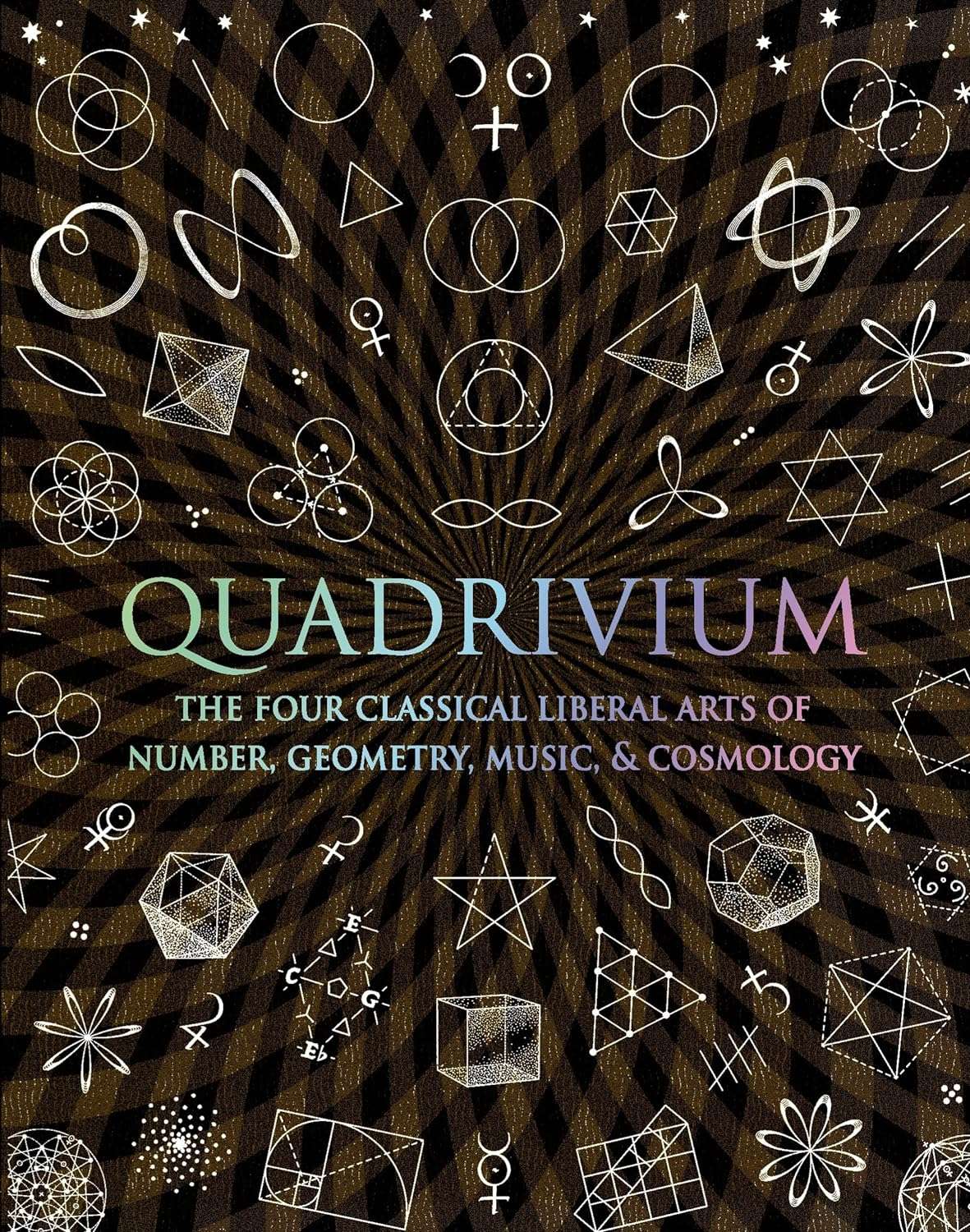
In the rich tapestry of classical education, the Quadrivium stands as a cornerstone, weaving together the disciplines of number, geometry, music, and cosmology. These four subjects form a comprehensive framework for understanding the universe, reflecting the harmony and order found in nature and human creations. The Quadrivium, alongside the Trivium (grammar, rhetoric, and logic), formed the foundation of education in the medieval liberal arts tradition.
The Quadrivium is more than just a collection of subjects; it represents a holistic approach to learning and understanding the world. Each component of the Quadrivium builds upon the other, offering insights into the nature of reality and the human experience. This ancient framework is a testament to the interconnectedness of knowledge, encouraging learners to see beyond individual disciplines and appreciate the unity of all things.
Number: The Language of the Universe

At the heart of the Quadrivium is the study of numbers. Mathematics is often described as the language of the universe, providing a universal framework to describe patterns, relationships, and structures. Numbers are not merely abstract entities; they are fundamental to understanding everything from the simplest counting exercises to complex mathematical theories. This view positions mathematics as a key to unlocking the mysteries of the cosmos.
In classical education, numbers were seen as the purest form of truth, reflecting the order and symmetry inherent in nature. This perspective is evident in sacred geometry, where mathematical principles are applied to create forms that resonate with the natural world. The importance of numbers extends beyond theoretical constructs, influencing practical applications such as architecture, music, and art. This universal language bridges diverse fields, uniting them under a common mathematical framework.
Moreover, the philosophical implications of numbers have been a subject of contemplation for centuries. Philosophers and mathematicians alike have pondered the existential significance of numbers, proposing that they represent a divine order that governs the universe. From the Fibonacci sequence to the golden ratio, numerical patterns reveal a hidden beauty that pervades both the natural world and human creations.
Geometry: The Measure of Space
Geometry, the study of shapes, sizes, and the properties of space, is a natural extension of arithmetic. It translates numerical concepts into spatial understanding, allowing us to measure and comprehend the physical world. This discipline provides the tools to navigate and manipulate space, forming the basis for architectural design, engineering, and even art.
The ancient Greeks, particularly Euclid, laid the foundation for geometry as we know it today. The principles they developed are still used in modern math books and applications, from architectural design to the exploration of the cosmos. Euclid’s “Elements” remains one of the most influential works in mathematical history, demonstrating the timeless relevance of geometric principles.
Geometry’s role in the Quadrivium is to bridge the abstract and the tangible, providing a visual representation of numerical concepts. It allows us to conceptualize and interact with the world in three dimensions, enhancing our spatial awareness and problem-solving abilities. This discipline also underscores the beauty of symmetry and proportion, which can be seen in everything from natural formations to human-made structures.
The study of geometry extends beyond practical applications, delving into philosophical and metaphysical realms. Concepts such as the Platonic solids and sacred geometry explore the deeper meanings behind geometric forms, suggesting a divine order inherent in the universe. This exploration invites us to consider geometry not just as a scientific discipline, but as a pathway to understanding the spiritual and symbolic dimensions of reality.
Music: The Harmony of Sounds

Music, often described as the mathematics of the soul, is the third pillar of the Quadrivium. It explores the numerical relationships between sound frequencies and the creation of harmony and rhythm. Music theory examines how different notes combine to form chords and melodies, reflecting the order and beauty found in nature. This discipline highlights the intricate relationship between mathematics and art, revealing the mathematical underpinnings of musical compositions.
In classical education, music was more than entertainment; it was a discipline that cultivated the mind and spirit. The study of music enhances our understanding of mathematical ratios and their application in creating harmonious experiences. This deep connection between music and mathematics fosters an appreciation for the aesthetic and emotional impact of sound.
Music’s role in the Quadrivium extends beyond technical mastery, emphasizing the transformative power of sound. It has the ability to evoke emotions, inspire creativity, and foster a sense of unity among listeners. Through music, individuals can connect with a universal language that transcends cultural and linguistic barriers.
Furthermore, music serves as a reflection of the human experience, capturing the complexities and nuances of life. From the rhythms of nature to the melodies of human expression, music embodies the harmony and dissonance inherent in existence. This dynamic interplay invites us to explore the depths of our emotions and the interconnectedness of all things.
Cosmology: The Dance of the Stars
Cosmology, the study of the universe and its origins, completes the Quadrivium. It is the application of number, geometry, and music on a cosmic scale, exploring the vastness of space and the celestial bodies within it. This discipline seeks to unravel the mysteries of the cosmos, offering insights into the fundamental nature of reality.
In ancient times, cosmology was closely linked to astrology and the belief that the movements of celestial bodies influenced earthly events. Today, it is a scientific discipline that seeks to understand the universe’s structure, history, and future. Cosmology combines theoretical and observational approaches to explore phenomena such as black holes, dark matter, and the Big Bang.
The study of cosmology encourages us to ponder our place in the universe and the interconnectedness of all things. It invites us to consider the vastness of space and the intricate dance of celestial bodies, inspiring a sense of wonder and curiosity. This exploration of the cosmos challenges our perceptions and expands our understanding of the universe.
Moreover, cosmology raises profound philosophical questions about the nature of existence and humanity’s role in the grand scheme of things. It invites us to reflect on the origins of the universe, the possibility of other life forms, and the future of our planet. This cosmic perspective fosters a sense of humility and interconnectedness, reminding us of our place within a larger cosmic order.
The Importance of the Quadrivium in Classical Education
The Quadrivium was not just a set of subjects but a cohesive approach to learning that emphasized critical thinking and the interconnectedness of knowledge. It provided students with the tools to explore and understand the world in a comprehensive and meaningful way. This holistic framework encouraged learners to seek knowledge across disciplines, fostering a well-rounded education that transcended individual subjects.
A Foundation for Modern Education
While the Quadrivium may seem distant from today’s educational systems, its principles remain relevant. The integration of mathematics, geometry, music, and cosmology fosters a well-rounded education that encourages curiosity and critical thinking. These disciplines cultivate analytical skills, creativity, and an appreciation for the interconnectedness of knowledge.
By studying these disciplines, students develop problem-solving skills and an appreciation for the beauty and complexity of the world. The Quadrivium’s emphasis on harmony and order is a reminder of the importance of balance in all areas of life. This approach encourages learners to seek coherence and unity in their studies, promoting a holistic understanding of the world.
Furthermore, the Quadrivium’s principles are reflected in contemporary educational approaches that emphasize interdisciplinary learning. By integrating multiple fields of study, educators can provide students with a comprehensive understanding of complex issues. This approach prepares students for the challenges of the modern world, fostering adaptability, critical thinking, and lifelong learning.
Sacred Geometry: A Link to the Divine
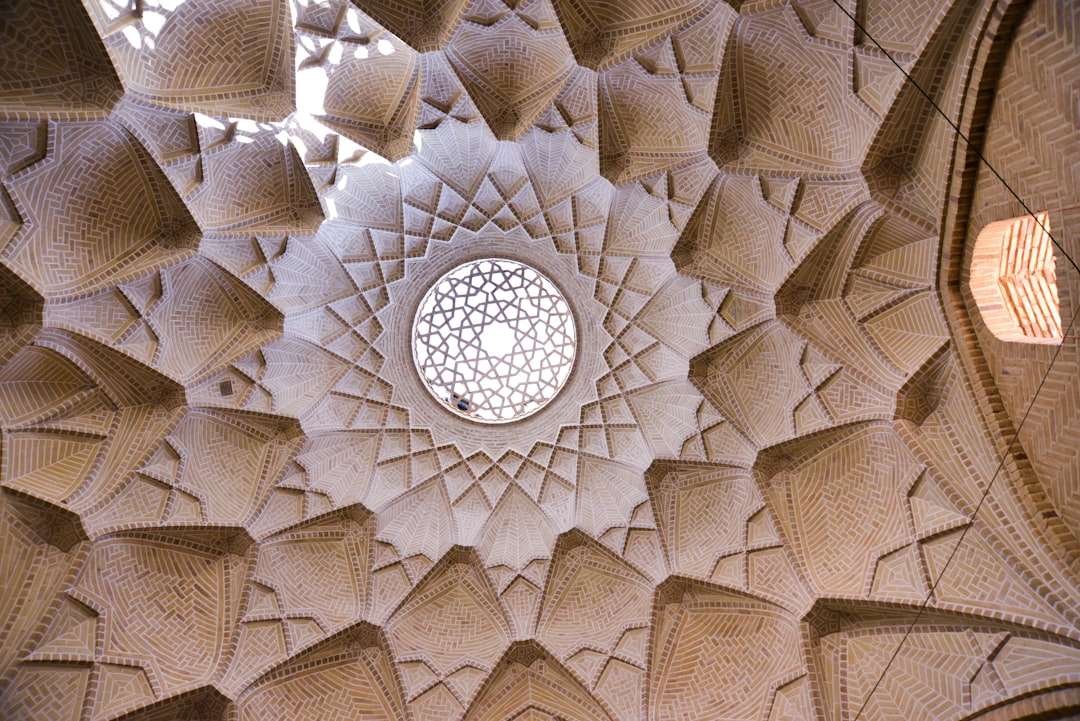
Photo by Seyed Ahmadreza Abedi(https://unsplash.com/@seyedahmadreza)
Sacred geometry, a key component of the Quadrivium, exemplifies the intersection of mathematics and spirituality. It explores the symbolic and philosophical significance of geometric shapes and patterns, often used in religious art and architecture. This exploration reveals the divine order inherent in the universe, inviting us to see the sacred in the patterns and structures that surround us.
The study of sacred geometry offers insights into the deeper meanings and connections that underlie the physical world. It invites us to see the divine in the patterns and structures that surround us, reinforcing the idea that mathematics is a bridge between the earthly and the spiritual. This perspective encourages us to appreciate the beauty and harmony of creation, fostering a sense of awe and reverence.
Moreover, sacred geometry has practical applications in various fields, including architecture, art, and design. By incorporating geometric principles into their work, artists and architects can create harmonious and aesthetically pleasing compositions. This integration of mathematics and art reflects the timeless relevance of sacred geometry, bridging the gap between science and spirituality.
Sacred geometry also invites us to explore the philosophical implications of geometric forms, encouraging reflection on the nature of reality and the interconnectedness of all things. This exploration fosters a deeper appreciation for the unity of the cosmos, inviting us to contemplate our place within the grand design.
The Quadrivium in Today’s World
In the modern era, the Quadrivium’s influence can be seen in various fields, from science and technology to art and philosophy. Its principles continue to inspire and inform our understanding of the world, demonstrating the timeless relevance of this classical framework.
Applications in Science and Technology
The Quadrivium’s emphasis on mathematical relationships and spatial understanding is crucial in fields such as engineering, physics, and computer science. These disciplines rely on the principles of number, geometry, music, and cosmology to innovate and solve complex problems. By applying these principles, scientists and engineers can develop new technologies and advance our understanding of the universe.
In engineering, the principles of geometry and mathematics are essential for designing structures, systems, and devices. Engineers use these tools to create efficient and functional solutions, demonstrating the practical applications of the Quadrivium in modern society. This integration of mathematics and engineering highlights the enduring relevance of classical education in contemporary fields.
Similarly, in physics and computer science, the principles of the Quadrivium underpin many fundamental theories and algorithms. From quantum mechanics to artificial intelligence, these disciplines draw on the interconnectedness of number, geometry, music, and cosmology to explore new frontiers. This exploration demonstrates the continued influence of the Quadrivium in shaping our understanding of the world.
Influence on Art and Culture
The harmony and order central to the Quadrivium are reflected in the arts, where mathematical principles guide composition, design, and aesthetics. Music, architecture, and visual art all draw on the Quadrivium’s legacy to create works that resonate with audiences. This integration of mathematics and art fosters a deeper appreciation for the beauty and complexity of creative expression.
In music, the principles of harmony and rhythm reflect the mathematical relationships explored in the Quadrivium. Composers use these principles to create compositions that evoke emotion and convey meaning, demonstrating the timeless connection between mathematics and music. This exploration of sound and mathematics highlights the transformative power of the arts.
Architecture and visual art also draw on the principles of geometry and proportion, creating structures and compositions that reflect the harmony of the natural world. By incorporating these principles into their work, artists and architects can create spaces and artworks that inspire and uplift. This integration of mathematics and art reflects the enduring influence of the Quadrivium on creative expression.
A Pathway to Lifelong Learning
The Quadrivium encourages a lifelong pursuit of knowledge and understanding. By exploring the interconnectedness of its four disciplines, individuals can cultivate a deeper appreciation for the world and their place within it. This holistic framework fosters a sense of curiosity and wonder, inspiring individuals to continue learning throughout their lives.
The principles of the Quadrivium also encourage critical thinking and problem-solving, skills that are essential for navigating the complexities of the modern world. By fostering these skills, individuals can adapt to new challenges and opportunities, demonstrating the timeless relevance of classical education.
Moreover, the Quadrivium’s emphasis on the interconnectedness of knowledge encourages individuals to seek connections between diverse fields of study. This interdisciplinary approach promotes a holistic understanding of the world, fostering creativity and innovation. By embracing this approach, individuals can continue to grow and evolve, contributing to the advancement of society.
Conclusion
The Quadrivium, with its focus on number, geometry, music, and cosmology, offers a timeless framework for exploring the universe and our place in it. By embracing the principles of classical education, we can foster a greater understanding of the world and the interconnectedness of all things. This holistic approach encourages us to seek harmony and order in all areas of life, promoting a balanced and meaningful existence.
In a rapidly changing world, the Quadrivium’s emphasis on harmony, order, and critical thinking remains a valuable guide for education and personal growth. Whether through the study of sacred geometry, the exploration of cosmic wonders, or the appreciation of musical harmony, the Quadrivium continues to inspire and inform our journey of discovery. This exploration invites us to reflect on the beauty and complexity of the universe, fostering a sense of wonder and curiosity that transcends time and place.


Leave A Comment